
Gold Rebounds as Iran De-Escalation Triggers Oil Collapse and Repricing of War Premium
GOLD
Fides Global Bullion Newsroom
3/23/20263 min read
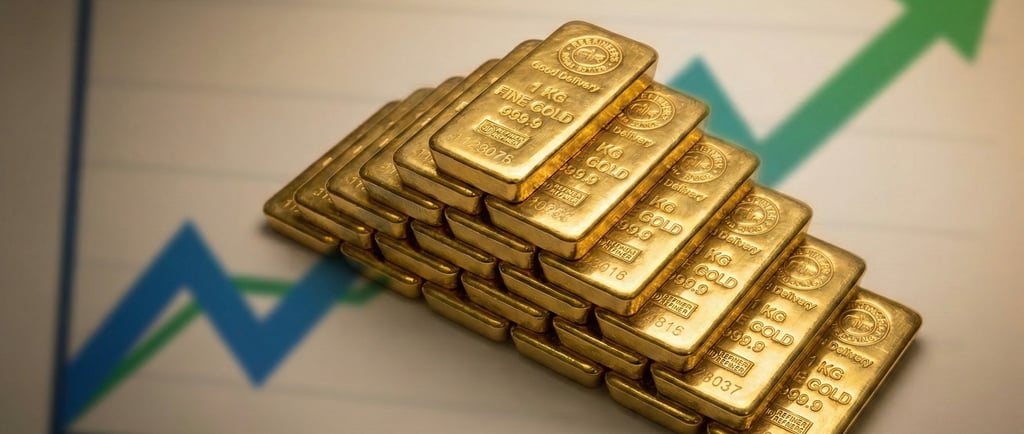

03 - 23 - 2026 | Fides Global Bullion Newsroom
Market Snapshot
• Gold: ~$4,400/oz (rebounding from 4-month low)
• Silver: ~$80–85/oz range (intraday recovery)
• Brent Oil: ~$96–103/bbl (sharp decline)
• U.S. Dollar: Softer bias
Trend Diagnosis:
Markets are aggressively unwinding the “war inflation trade”, with falling oil compressing inflation expectations while gold attempts a tactical stabilization after a forced liquidation cycle.
Key Highlights:
• Gold rebounds after hitting a four-month low amid heavy liquidation pressure
• Oil drops sharply (up to ~7%) following delay in U.S. strikes on Iran
• Risk assets rally as markets price in potential de-escalation
• Dollar weakens slightly, offering short-term support to bullion
• Despite bounce, gold remains in a broader corrective phase driven by rate expectations
The Why (Core Analysis)
This move is not about safe-haven demand returning, it is about positioning unwinds and macro repricing.
The market had aggressively priced:
• Sustained oil shock
• Persistent inflation surge
• Delayed rate cuts / higher real yields
Trump’s decision to pause strikes on Iranian infrastructure introduces a critical shift:
→ The probability of energy supply normalization increases
→ The inflation impulse weakens at the margin
→ The rate path becomes less hawkish than feared (but not dovish)
This creates a paradox:
• Falling oil = bearish for inflation hedges (gold)
• Weaker dollar = supportive for gold
• Elevated yields = structurally bearish
The result is what we are seeing:
Gold is no longer trading geopolitics directly, it is trading real yields and liquidity again.
Flow dynamics confirm this:
• Macro funds had built large long energy / long gold / short bonds trades
• Today’s move is a cross-asset unwind, not fresh conviction buying
What the Market Is Missing
The consensus is misreading this as “de-escalation = bearish gold.”
That is incomplete.
Key blind spots:
• Damage to energy infrastructure is already done
Even if diplomacy progresses, supply chains remain constrained → inflation risk is delayed, not eliminated
• Gold’s selloff is rate-driven, not geopolitics-driven
The market is underpricing how sensitive gold currently is to real yields vs headlines
• Physical demand likely absorbing this dip
Asia (China/India) historically steps in during sharp corrections—this is not yet visible in paper markets
• War premium is not gone—it’s being repriced
Markets are shifting from:
→ “immediate escalation”
to
→ “prolonged instability with intermittent de-escalation”
That regime is actually more supportive for long-term gold accumulation
Forward Outlook (Next 5–7 Days)
1. Bullish / Expansion Scenario
• Condition: Oil stabilizes but remains elevated + dollar weakens further + yields plateau
• Market Impact:
→ Gold reclaims $4,600–$4,800 range
→ Short covering accelerates
→ Silver outperforms on beta rebound
2. Bearish / Consolidation Scenario
• Condition: Oil continues falling + yields rise further on sticky inflation expectations
• Market Impact:
→ Gold retests $4,200–$4,300 support
→ ETF outflows resume
→ Silver underperforms due to industrial linkage
Cross-Market Signal
Oil:
The key driver. The sharp drop signals partial unwind of geopolitical inflation premium—but structural tightness remains.
USD / FX:
Dollar weakness is emerging—but not decisive. Sustained decline is required for gold upside.
Bonds / Rates:
The dominant force. Rising yields continue to cap gold despite geopolitical noise.
Equities:
Rally signals risk-on rotation, reducing immediate demand for defensive assets.
Strategic Overlay
Missed Opportunities:
• Market overcommitted to the “straight-line war escalation” narrative
• Underestimated how quickly energy-driven inflation trades can reverse
Strategic Implications:
• Tactical:
→ Buy gold on forced liquidation, not headlines
→ Watch real yields, not oil, as primary trigger
• Structural:
→ Maintain long-term gold exposure
→ Accumulate silver on deeper pullbacks (higher beta to recovery)
• Hedging:
→ Use gold as a policy error hedge, not a pure war hedge
→ Pair with selective energy exposure for asymmetric risk
This is the inflection point most participants misinterpret.
The market is transitioning from:
“Geopolitics drives gold”
to
“Macro liquidity and rates dominate again”
That shift determines positioning for the next quarter, not the next headline.
Those who continue trading gold as a pure war proxy will be consistently wrong.
For ongoing insights and in-depth analysis, subscribe to our newsletter to stay ahead in precious metals and macro strategy.
©2025. All rights reserved.
PLEASE NOTE: The value of precious metals may fall as well as rise. Historical trends do not guarantee future price moves. Nothing on Fides Global Bullion LLC''s websites nor in any of its communications constitutes investment advice. You should consider seeking professional advice to determine if owning bullion is right for you.
Site Links
Address
5900 Balcones Drive STE 100
Austin, TX, 78731, US
Hours
9 AM - 5 PM
Contacts
+1-817-661-3327
contact@fgbullion.com