Gold's Unyielding Ascent: Analyzing Market Dynamics Amidst Stable Labor Conditions
GOLD
Fides Global Bullion Newsroom
1/29/20262 min read
Introduction to Gold's Momentum
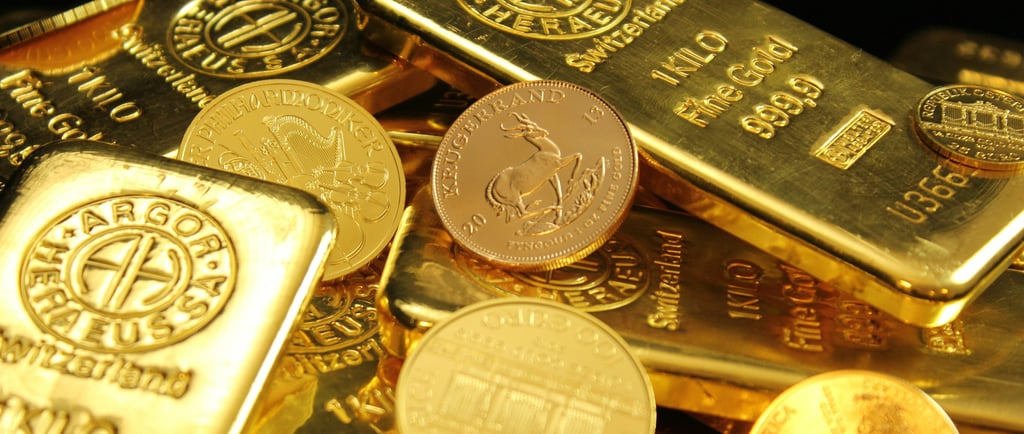
In recent months, the gold market has experienced an impressive bullish momentum, with prices consistently maintaining levels above $5,500 an ounce. This upward trend in gold prices persists despite the backdrop of a stable U.S. labor market, highlighting a compelling narrative for investors. The resilience of gold in such circumstances prompts a closer examination of the underlying factors that contribute to its enduring appeal.
U.S. Labor Market Overview
According to the U.S. Department of Labor's latest report, initial claims for state unemployment benefits fell by 1,000, bringing the total to a seasonally adjusted 209,000 for the week ending January 17. This decline aligns with market forecasts, where economists had anticipated a rise to 206,000 claims. Notably, revised figures from the prior week report an increase to 210,000 claims, portraying a somewhat contrasting narrative. Yet, the stability evidenced in the labor market seems to have minimal impact on gold's ongoing bullish performance, thus raising questions about the capital flows into the precious metal.
Factors Driving Gold's Appeal
The question arises: what compels investors to pursue gold in a time when the labor market appears steady? Several factors at play elucidate this fascinating trend. First, gold serves as a safe haven during turbulent economic periods. As global uncertainties persist—from geopolitical tensions to fluctuations in equity markets—investors often gravitate toward gold as a protective asset.
Moreover, with inflationary pressures mounting globally, gold remains an attractive option due to its historical performance as a hedge against inflation. Even in an environment of relatively stable employment figures, the prospect of inflation looms large, further solidifying gold's role as a vital component of investment strategies.
Additionally, central bank policies, particularly those pertaining to interest rates, significantly influence gold prices. Any indication of loose monetary policies, such as low-interest rates, tends to bolster gold's attractiveness since the opportunity cost of holding non-yielding bullion decreases.
Conclusion: Navigating Future Trends
As we continue to observe the interplay between the U.S. labor market and the gold market, it becomes increasingly evident that bullish momentum is unlikely to wane. Despite stable employment conditions, gold's multifaceted appeal—rooted in its safe haven status, inflation hedge capabilities, and market dynamics influenced by central banks—suggests that investor interest in gold will remain robust. For those navigating the intricacies of market movements, understanding the forces driving gold's ascent amidst stable labor conditions is essential for informed investment decisions.
©2025. All rights reserved.
PLEASE NOTE: The value of precious metals may fall as well as rise. Historical trends do not guarantee future price moves. Nothing on Fides Global Bullion LLC''s websites nor in any of its communications constitutes investment advice. You should consider seeking professional advice to determine if owning bullion is right for you.
Site Links
Address
5900 Balcones Drive STE 100
Austin, TX, 78731, US
Hours
9 AM - 5 PM
Contacts
+1-817-661-3327
contact@fgbullion.com