The Implications of Minimal Gold Ownership Among Americans
GOLD
12/12/20252 min read

Introduction: Understanding Gold Ownership
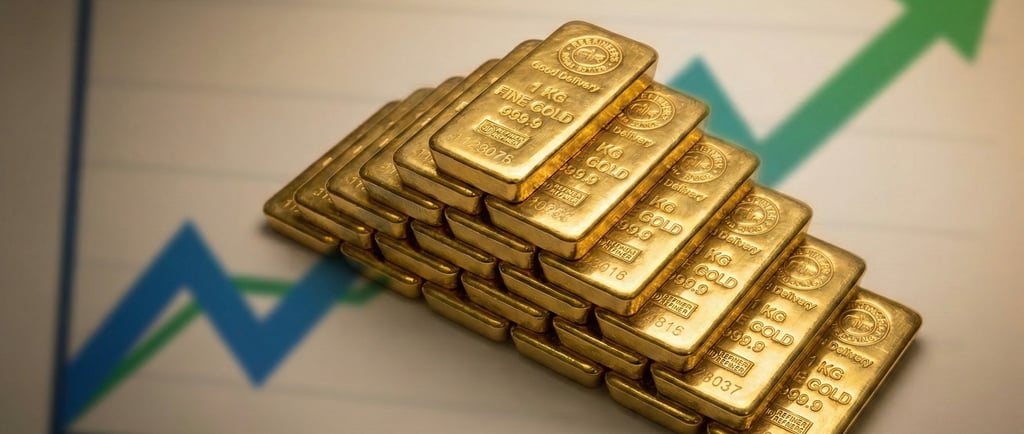
Amidst a backdrop of economic uncertainty, gold has once again captured the spotlight, rallying to remarkable heights this year. However, an intriguing aspect highlighted by Goldman Sachs is that Americans barely own gold. In fact, gold exchange-traded funds (ETFs) make up only 0.17% of U.S. portfolios, and the rate of physical gold purchases remains notably low. This presents a unique scenario in which the market could face significant volatility, particularly if investment trends shift.
The Current Landscape of Gold Investments
Gold has historically been viewed as a safe haven asset, often sought after during times of economic turmoil. Despite the rising prices and the growing awareness of gold as a hedge against inflation, American investors have not yet capitalized on this opportunity. The current environment suggests that the minimal ownership of gold by Americans could potentially act as a catalyst for further price increases. If only a small percentage of investors choose to diversify their portfolios by including gold, the resulting demand could lead to sharp upward movements in gold prices.
Potential Consequences for Investors
The implications of low gold ownership extend beyond mere price fluctuations. For investors, the lack of gold in their portfolios might reflect a broader misunderstanding of the asset's value. As market dynamics change and economic pressures persist, individuals may start to look towards gold as a more viable investment option. This shift in perception will likely create added pressure on gold prices, further amplifying the asset's allure. Goldman Sachs underscores that even small inflows of capital into gold could yield significant returns, warranting close attention from those looking to enhance their investment strategies.
In conclusion, the observation by Goldman Sachs regarding minimal gold ownership among Americans should not be overlooked. As economic uncertainties loom and inflation concerns rise, the stage is set for potential surges in gold prices. Investors who recognize this possibility and take proactive steps to incorporate gold into their investment portfolios may find themselves well-positioned in the evolving market landscape. The message is clear: now may be an ideal time to reconsider gold's role in asset allocation and prepare for its potential ascendance in the near future.
©2025. All rights reserved.
PLEASE NOTE: The value of precious metals may fall as well as rise. Historical trends do not guarantee future price moves. Nothing on Fides Global Bullion LLC''s websites nor in any of its communications constitutes investment advice. You should consider seeking professional advice to determine if owning bullion is right for you.
Site Links
Address
5900 Balcones Drive STE 100
Austin, TX, 78731, US
Hours
9 AM - 5 PM
Contacts
+1-817-661-3327
contact@fgbullion.com